
The Nature of Colour: Bringing the Outside In
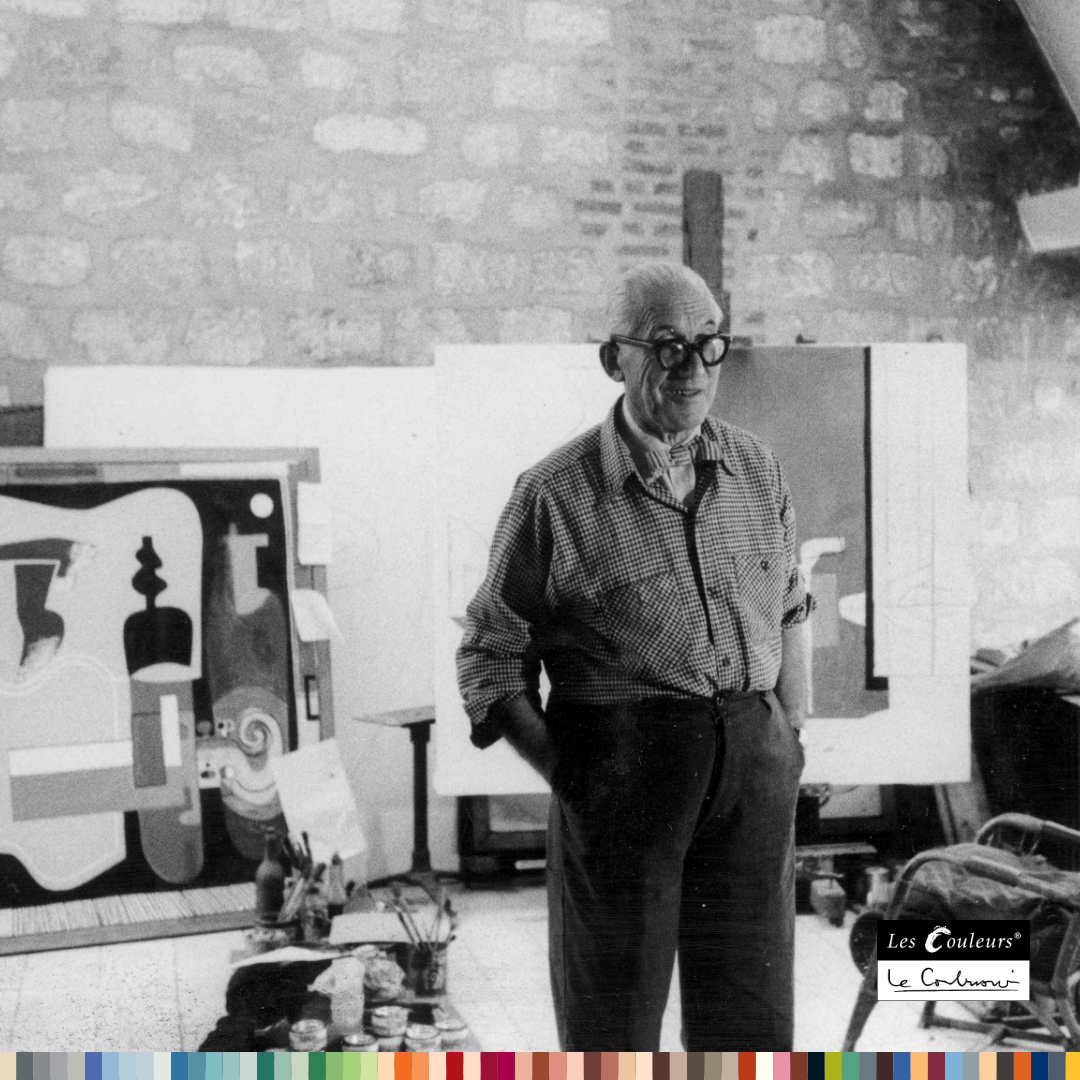

This May, we’re revisiting the deep bond between Le Corbusier’s architecture and the natural world. For Le Corbusier, a building was never an isolated object; it was a "machine for living" designed to breathe in harmony with its surroundings.
Designing with Atmospheres Le Corbusier organized his palette into specific Atmospheres— groups of colors that do more than just decorate; they evoke the very essence of nature within a space.
Atmosphère Ciel (Sky): These ethereal, airy blues are designed to dissolve the boundaries of a room. By mimicking the horizon, they create a sense of infinite space and a direct connection to the sky.

Atmosphère Sable (Sand): Soft, organic neutrals that act as a canvas for natural light. They bring a quiet, sun-drenched warmth to interiors, making them feel grounded and timeless.

Atmosphère Paysage (Landscape): Deep greens and umbers that serve as a direct bridge to the outdoors. These shades allow the interior to flow seamlessly into the greenery, bringing the restorative power of nature inside.

Bringing nature indoors is as much about the exterior as it is the interior. Le Corbusier’s theory suggests that exterior colors should act as a "frame" for the landscape. By choosing muted, architectural shades for facades, you allow the vibrant colors of the surrounding environment to take center stage.
This approach is rooted in psychology: cool tones like blues and greens act as "receders," providing a sense of retreat and calm, while the warm earth tones provide stability. When we match our building materials with these natural Atmospheres, we aren't just designing a product — we are engineering emotional well-being.


Comments